





Anxiety, panic attacks, and phobias
Chronic Illness and medical issues
Car accidents or near-misses
Depression and bipolar disorders
Dissociative disorders
Eating disorders


Joey Mercer is a Registered Psychotherapist (Qualifying) providing trauma-informed EMDR therapy for adults
in Hamilton, Toronto, and throughout Ontario through secure virtual counselling.
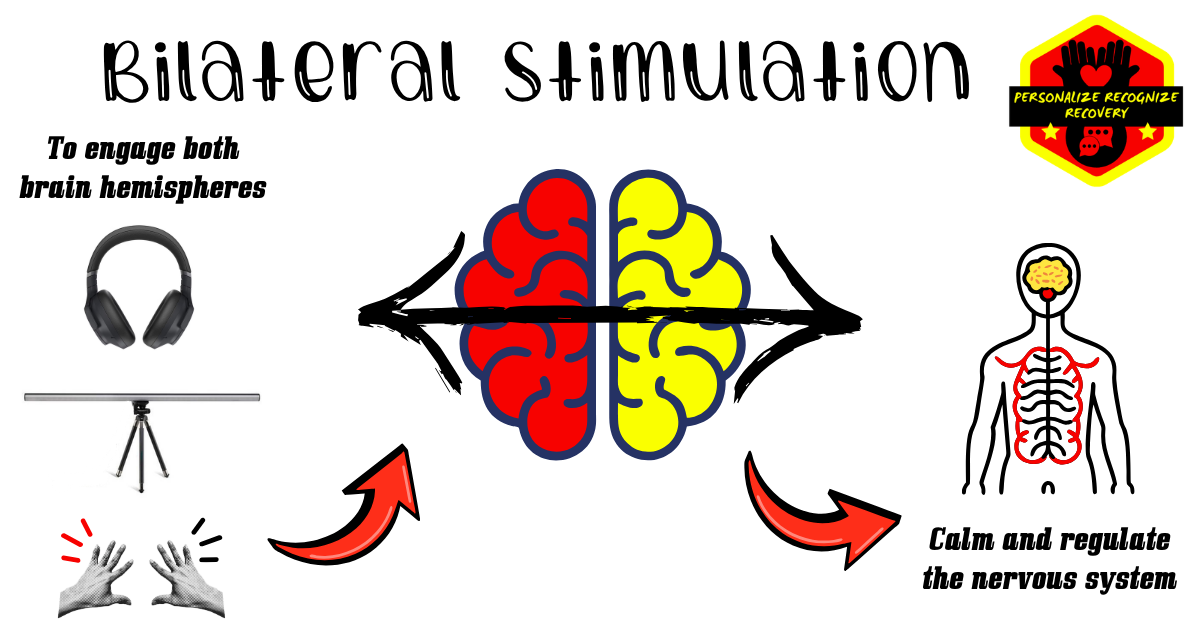
EMDR (Eye Movement Desensitization and Reprocessing) is an evidence-based psychotherapy designed to help people heal from distressing experiences, trauma, and overwhelming emotions. Using bilateral stimulation — such as side-to-side eye movements, gentle tapping, or audio tones — EMDR can help the brain reprocess memories that feel “stuck,” reducing their emotional intensity and the distress they cause in daily life.
EMDR is highly structured and paced to your nervous system, allowing you to process difficult experiences without having to talk through every detail. It can support individuals experiencing post-traumatic stress, complex trauma, anxiety, grief, accidents or injuries, and patterns of shame or self-doubt.
By targeting the memories, beliefs, and body sensations that keep symptoms looping, EMDR can help you feel more grounded, gain clarity, and respond to life’s challenges with greater ease. Sessions can be completed in person or through secure, PHIPA-compliant video, guided by a therapist who prioritizes connection, cultural humility, and compassionate care.
The goal is to support meaningful change, helping you move forward with greater confidence, clarity, and emotional freedom.
Bilateral stimulation (BLS) is a core part of EMDR therapy. It involves gentle, back-and-forth input — such as guided eye movements, alternating taps, or audio tones — while you briefly focus on aspects of a memory.
This rhythmic stimulation helps calm and regulate the nervous system, reducing emotional intensity and supporting your brain’s natural ability to process experiences. Over time, memories can feel less overwhelming and more clearly in the past, rather than something you are still reliving.
Is EMDR right for you?
EMDR can be helpful for you if something from the past still feels present — showing up as anxiety, strong emotional reactions, or a sense of being stuck. Many people explore EMDR when they notice that, even if they understand things logically, their body and emotions continue to react.
🧩 You feel emotionally numb or disconnected
🔁 You feel stuck in patterns that don’t fully make sense
🫀 You understand things logically, but your body still reacts
🔔 Certain situations or relationships trigger strong reactions
⚡ You feel anxiety, panic, or a constant sense of being on edge
🧠 You experience intrusive memories, nightmares, or flashbacks
🌪️ You have ongoing stress that hasn’t shifted with talk therapy alone
💔 You have attachment and relationship wounds that shape your self-worth
☁️ Your depression is influenced by unresolved experiences, loss, or chronic stress
🚪 You avoid situations, places, or relationships that remind you of past experiences
EMDR therapy helps children and adults of all ages.
Therapists use EMDR therapy to address a wide range of challenges:
Grief and loss of a loved one
Medical or dental procedures
(such as unexpected or painful ones)Multi-generational trauma/effects of colonization/racism
Natural disasters or emergencies
Pain
Performance anxiety
Public humiliation or a highly distressing social experience
Sexual assault
Sleep disturbance
Substance abuse and addiction
Violence and abuse
Witnessing something distressing
How does EMDR work?
EMDR is based on the idea:
some distress from past experiences stays “unprocessed” and when something in the present reminds the brain of that earlier experience, the mind and body react as if the threat is happening again.
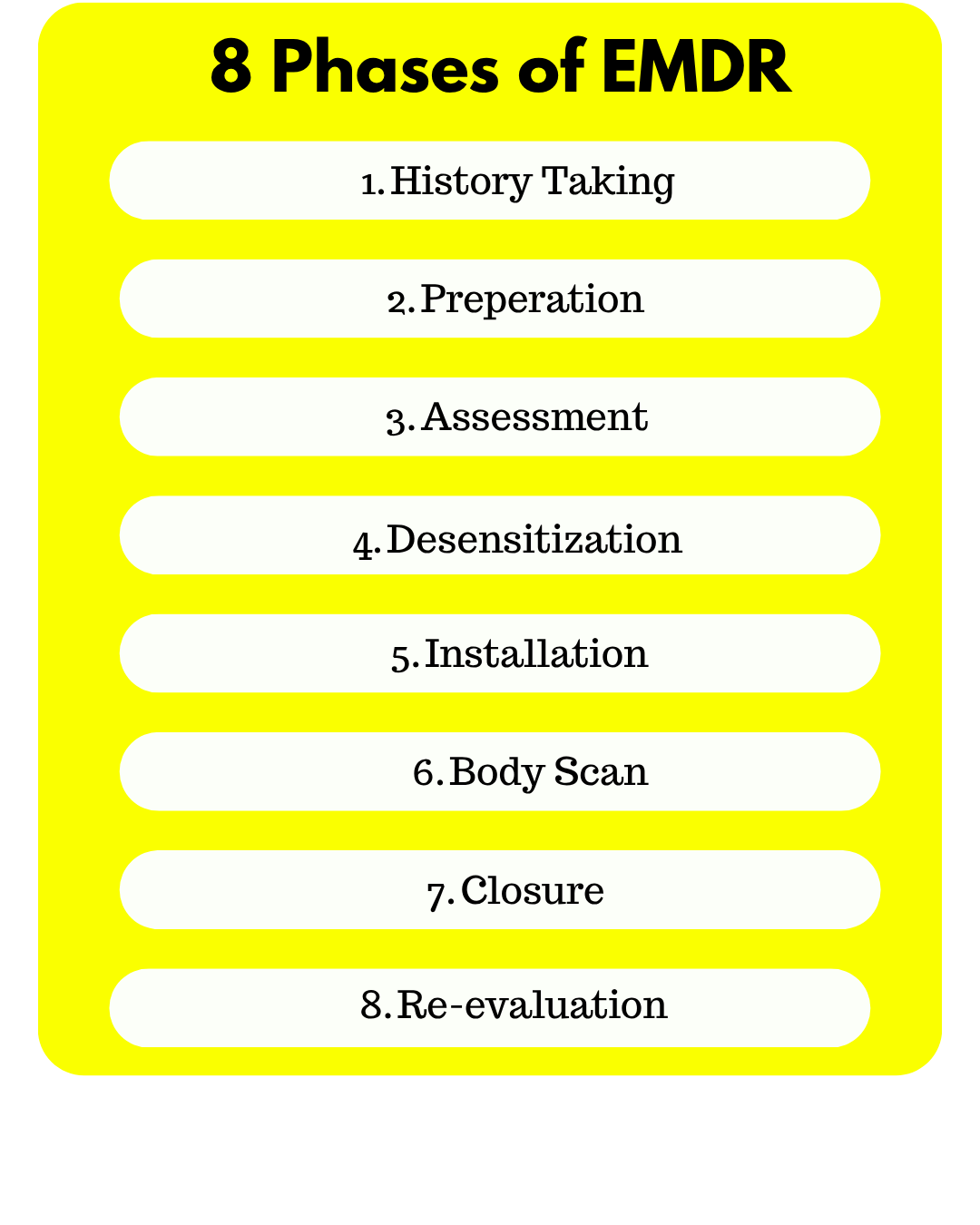
After the therapist and client agree that EMDR therapy is a good fit, you will work through the eight phases of EMDR therapy with your therapist.
Attention will be given to a negative image, belief, emotion, and body sensation related to this event, and then to a positive belief that would indicate the issue was resolved.
Your therapist maps a clear treatment plan and tracks change using EMDR outcome self-measure scales (SUDS, VOC), brief check-ins, and progress reviews—so you know what’s working and what’s next.
In EMDR, you don’t “erase” memories or force yourself to forget. Instead, the goal is to reduce the intensity associated with the memory and help your brain link it to more adaptive information, such as present safety, perspective, and self-compassion.
Before reprocessing, we build nervous-system safety with resourcing, grounding, and attachment-focused skills. Sessions are paced to you, so EMDR targets feel manageable while reducing flashbacks, guilt, and hypervigilance.
Bilateral stimulation is used to reprocess past memories and then move their storage in the brain so they are no longer connected with present triggers
For many clients, EMDR is considered a safe and well-tolerated therapy when it’s delivered by a trained clinician and paced appropriately. That said, “safe” doesn’t always mean “comfortable” – because EMDR can bring up strong emotions or sensations as memories shift.
What EMDR Is and Isn’t
EMDR is:
A structured, evidence-based therapy with clearly defined phases and targets
Guided by your pace and comfort, supporting emotional safety and awareness of your thoughts, feelings, and body responses
A method designed to support the processing and integration of distressing or traumatic experiences
Focused on how past experiences are stored in memory and how they are triggered in the present
Adaptable for a wide range of challenges, including trauma, anxiety, grief, and stress-related patterns
EMDR is not:
Hypnosis or mind control
About forcing you to relive every detail of a memory
One-size-fits-all; your therapist will tailor the approach to your needs and nervous system
A quick fix or magic cure — it works best when safety, stabilization, and readiness are established
EMDR Therapy: How Long Does It Take?
A typical EMDR session lasts 60–90 minutes
There isn’t a single timeline that fits everyone. How long EMDR takes depends on factors like:
Whether you’re working on a single event or repeated/long-term experiences
The intensity of your current symptoms
Your coping supports, such as sleep, stress load, and relationships
Other challenges you may be addressing, like anxiety, depression, or addiction
Your comfort with the pace of processing difficult memories
Some people find relief after a shorter course when focusing on a specific experience. Others with more layered or complex histories may benefit from a longer course, which includes more preparation, stabilization, and gradual processing. You need to be “safe enough to feel” and have the ability to “name and feel” emotions and body sensations.
A practical way to think about it: EMDR is not about rushing to the hardest memory as quickly as possible — it’s about creating a safe, steady path toward healing and lasting relief.
Frequently Asked Questions
Still have questions? Take a look at the FAQ or reach out anytime. If you’re feeling ready, go ahead and apply.
-
EMDR may be a good fit if past experiences continue to affect your daily life through anxiety, distress, strong emotional reactions, low self-esteem, or feeling "stuck." During your consultation, we'll discuss your goals, history, and current symptoms to determine whether EMDR or another therapeutic approach is the best fit for your needs.
-
Yes. EMDR can be provided effectively through secure, PHIPA-compliant virtual therapy for clients anywhere in Ontario. Research has found virtual EMDR to be an effective option for many people, and we'll ensure you have the privacy, safety, and resources needed before beginning reprocessing.
-
No. One of the benefits of EMDR therapy is that you do not have to describe every detail of a traumatic experience. You only need to share enough information for us to identify what you'd like to work on, and the therapy proceeds at a pace that feels safe and manageable for you.
-
Your first EMDR session focuses on getting to know you, understanding your concerns, and determining whether EMDR is the right fit for your goals. We'll discuss your history, identify treatment targets, and begin building the coping skills and sense of safety needed before moving into memory reprocessing.
-
Yes. Many people find EMDR helpful after traditional talk therapy because it focuses on how distressing memories are stored in the brain, not just talking about them. If you've gained insight but still feel emotionally or physically stuck, EMDR may help you process those experiences in a different way.
-
In many cases, yes. If your extended health benefits cover services provided by a Registered Psychotherapist (Qualifying), EMDR therapy is typically covered as part of your psychotherapy sessions. Coverage varies by insurance plan, so it's best to check with your provider before booking.
-
Item descriptionI use EMDR because it is one of the most well-researched and effective treatments for trauma and other distressing life experiences. Rather than focusing only on managing symptoms, EMDR helps process the underlying memories that may be keeping you stuck, allowing for meaningful, lasting change. It is an excellent alternative (or addition) to traditional talk therapy.
-
Yes. EMDR therapy is available in person in Hamilton (Fridays) and Toronto (Sundays), as well as through secure virtual sessions for clients throughout Ontario. Sessions are provided in a trauma-informed, supportive environment where therapy is paced according to your needs and comfort level.