
Culturally Informed Therapy for Indigenous Folks in Ontario
What is therapy for Indigenous Peoples?
Therapy should not require you to leave your culture, community, history, or identity at the door.
I offer psychotherapy for First Nations, Inuit, and Métis peoples seeking a space where the impacts of colonization, intergenerational trauma, residential schools, systemic barriers, and culture can be discussed openly and respectfully.
Many Indigenous peoples come to therapy carrying experiences that cannot be understood in isolation from family, community, culture, land, and history. Therapy may involve conversations about trauma, grief, anxiety, depression, substance use, belonging, resilience, or navigating systems that have not always been safe or welcoming.
Healing can happen in many ways. For some people, therapy is one part of that process alongside culture, ceremony, Elders, Knowledge Keepers, community, family, land-based practices, or other traditional ways of knowing. I welcome conversations about these relationships and respect the expertise Indigenous peoples hold about their own healing journeys.
You do not need to educate me about your experiences to earn support.
You do not need to fit a stereotype of what being Indigenous looks like.
You do not need to choose between clinical support and cultural ways of healing.
You deserve a space where your story can be heard with respect, curiosity, and care.

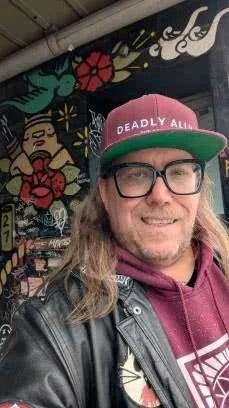

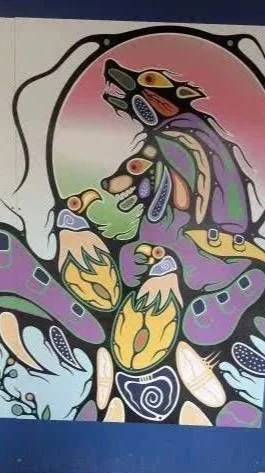

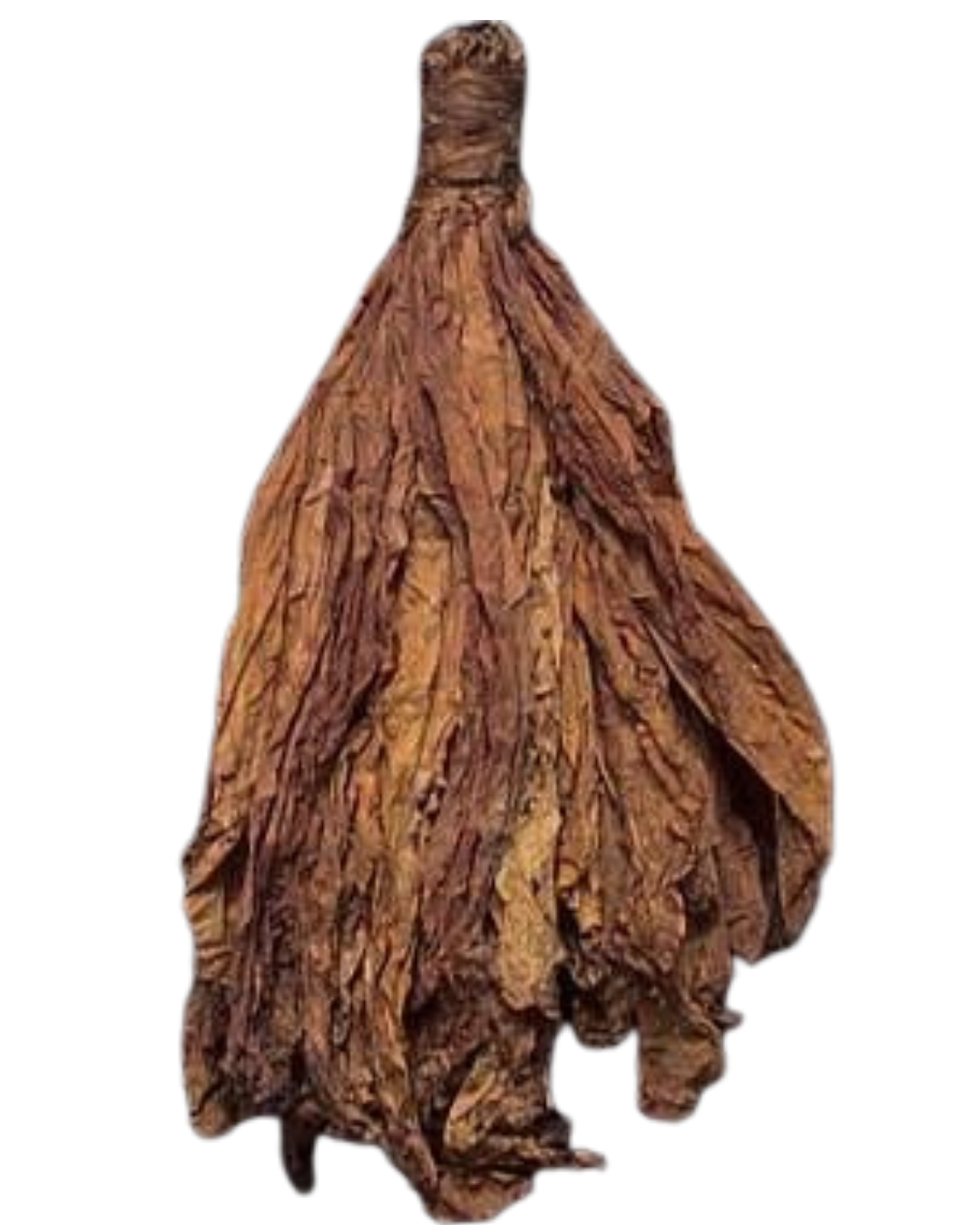
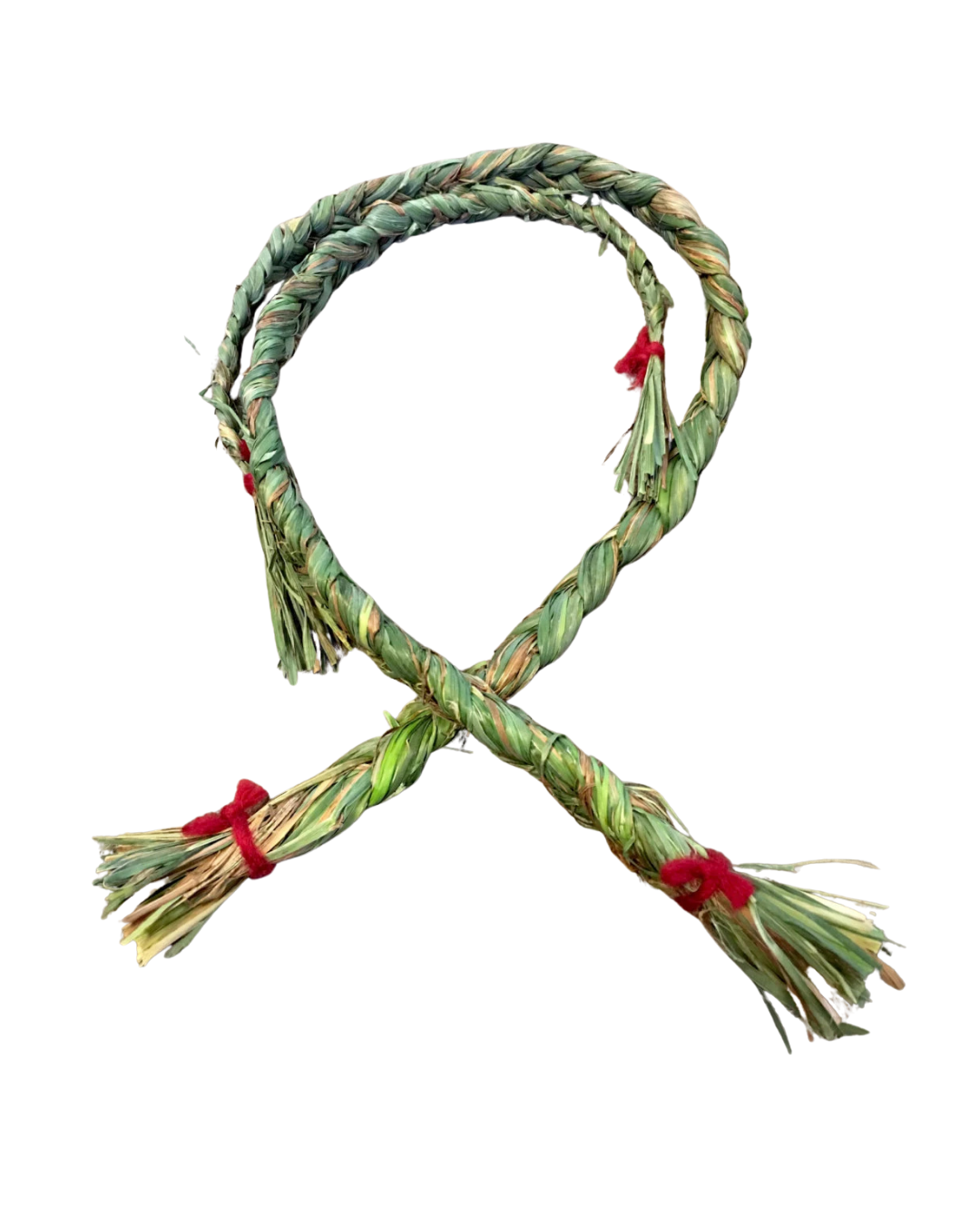
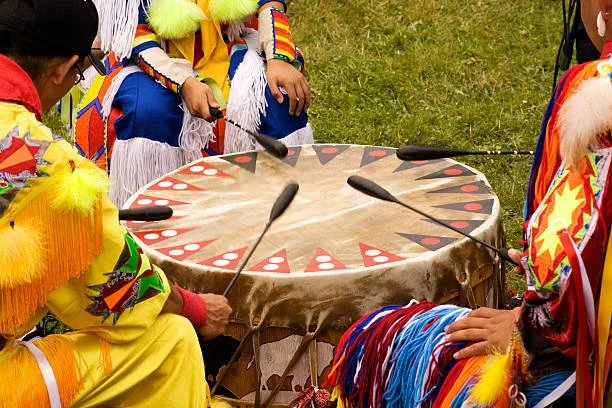

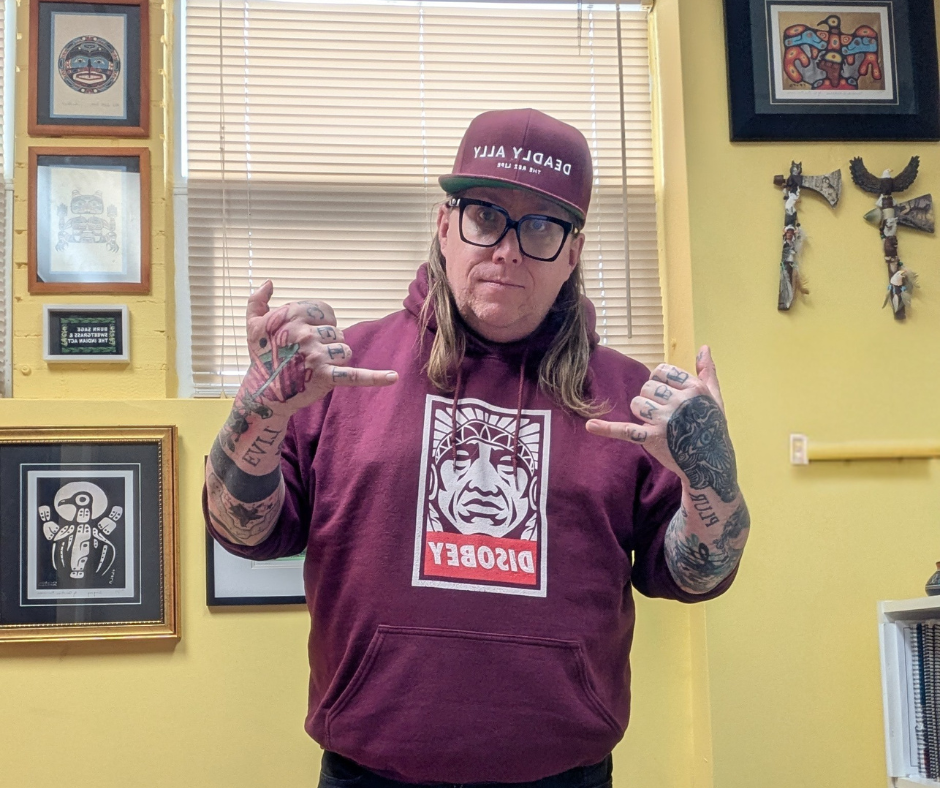
As a non-Indigenous therapist, I approach this work with Indigenous clients with respect, gratitude, and cultural humility. I have had the privilege of working within Indigenous health settings and alongside Indigenous individuals and communities, and I recognize that I am a guest in these spaces of knowledge and lived experience. I remain committed to ongoing learning, reflection, and accountability in how I show up in my practice.
My goal is not to interpret or redefine Indigenous knowledge, but to offer therapy that honours identity, community, history, and resilience, while also being mindful of the ongoing impacts of intergenerational trauma, systemic harm, and colonization.
I also hold awareness that I can only speak to what has been shared with me, and I do not position myself as an authority on these teachings. In my work, I aim to be alongside clients rather than leading from this framework, and to remain grounded in respect for its relational and cultural roots.
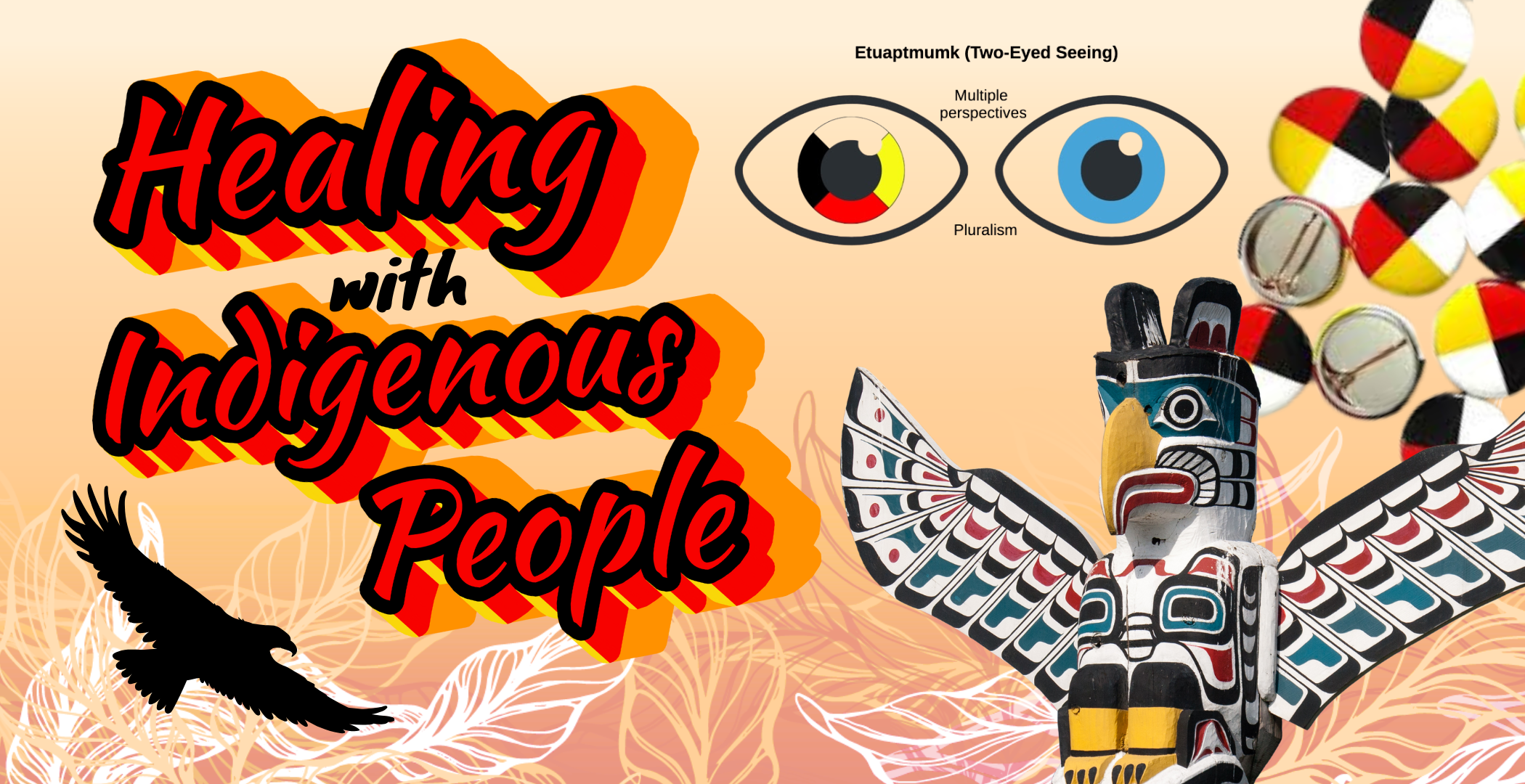
My practice is guided by Two-Eyed Seeing (Etuaptmumk), a framework that holds Indigenous ways of knowing alongside Western psychological approaches in a balanced and relational way. I understand this teaching as an invitation to respectfully bring different ways of knowing into awareness without privileging one over the other, while recognizing that it comes from Indigenous knowledge systems that extend beyond Western clinical frameworks.
In our work together, this may involve making space for both lived experience and clinical understanding, and staying attentive to what feels most helpful and meaningful for you in the moment. Rather than relying on one fixed way of understanding, we can remain open to different perspectives in a way that is grounded, respectful, and supportive.
At its heart, this approach is about offering care that is flexible, relational, and responsive—supporting healing in a way that honours the full complexity of your experience.
While my practice is open to clients of all backgrounds, my experience in Indigenous health settings has deepened my commitment to trauma-informed, strengths-based care that is responsive to each person’s context and the knowledge they bring into the room.
Indigenous Specific and Informed Trainings




“Learning to see from one eye with the strengths of Indigenous knowledges and ways of knowing, and from the other eye with the strengths of Western knowledges and ways of knowing… and learning to use both of these eyes together, for the benefit of all.”
Frequently Asked Questions
-
No. I am not Indigenous. I approach my work with cultural humility, recognizing that I am a guest when working with Indigenous clients and communities. Since 2024, I have worked exclusively in Indigenous mental health, where I have continued to learn from clients, Elders, Knowledge Keepers, and colleagues. My role is not to replace traditional knowledge or healing, but to provide evidence-based psychotherapy while respecting each person's culture, identity, and lived experience using Etuaptmumk.
-
Yes and no.
Yes, I will not include traditional knowledge/healing with folks who are not Indigenous. At any point and with anyone I cannot lead Indigenous ceremonies and can make it part of your treatment plan with the appropriate elders.
No, while this service is designed with Indigenous clients in mind, anyone who values a culturally humble, respectful, and person-centred approach to therapy is welcome.
Whether you are First Nations, Inuit, Métis, or non-Indigenous, therapy is tailored to your unique experiences, goals, and needs. -
Two-Eyed Seeing (Etuaptmumk) is a guiding principle introduced by Mi'kmaq Elder Albert Marshall. It encourages us to see the strengths of both Indigenous and Western ways of knowing and to use them together respectfully. In therapy, this means I value evidence-based approaches such as EMDR and CBT while also respecting each client's culture, traditions, beliefs, and lived experiences.
-
I approach my work with cultural humility, respect, and curiosity. I recognize that every Indigenous person's experiences, culture, and community are unique, and I avoid making assumptions. My goal is to provide evidence-based psychotherapy while honouring your identity, lived experiences, and values. When appropriate, I welcome conversations about culture, community, spirituality, and traditional healing as part of your therapeutic journey.
-
Therapy can help with a wide range of mental health concerns, including intergenerational trauma, impacts of colonization, racism, connection to culture, anxiety, depression, grief, stress, addiction, self-esteem, relationship challenges, and life transitions. Whether you're facing a specific concern or simply looking for support, therapy provides a safe space to explore your experiences, build resilience, and work toward meaningful change.
-
Not at this time.
I am not currently an approved provider under the Non-Insured Health Benefits (NIHB) program, so I cannot bill NIHB directly or provide services covered through NIHB.
I am working on this and hope to be able to provide supports for NIHB within the next year.
If you have other extended health benefits, I encourage you to check with your insurance provider to determine whether my services are eligible for reimbursement.