
Therapeutic Approaches
At Personalize Recognize Recovery, our therapeutic approach is culturally and trauma-informed and grounded in a client-centred lens. We understand what works for one person may have little to no impact for another. We help to PERSONALIZE a recovery plan that is right for you. We believe it is imperative that we RECOGNIZE progress at every opportunity. We all want results and we want them now and the reality is that the results can take hard work. We did not get like this overnight so why would we expect to heal overnight? Rather than self-judge and use shoulds (I should be better by now) we want to help you see the progress and understand all progress in only because of you and your actions!
We strive to help clients explore how past relationships and experiences have shaped their current patterns. We integrate evidence-based modalities such as Acceptance and Commitment Therapy (ACT), Cognitive Behavioural Therapy (CBT), Dialectical Behaviour Therapy (DBT), Emotion Focused Therapy (EFT), Eye Movement Desensitization and Reprocessing (EMDR), Solution Focused Brief Therapy (SFBT) and often use a Narrative and/or Existential framework to support healing, insight, and growth.
We believe meaningful change begins with feeling seen, heard, and understood. Our sessions offer a compassionate space to explore life's challenges, deepen self-understanding, and build effective skills for growth. Through thoughtful conversation, gentle exploration, and evidence-informed approaches, we support individuals navigating addiction, anxiety, depression, eating disorders, trauma, relationship difficulties, and emotional regulation concerns while helping them move toward greater balance, resilience, and well-being.

Etuaptmumk (Two-Eyed Seeing)
Indigenous clients

I hold Two-Eyed Seeing (Etuaptmumk) with deep respect for the teachings shared by Mi’kmaw Elders Albert Marshall and Murdena Marshall. As a non-Indigenous therapist, I do not see this as something I define, but as something I have learned from and continue to be guided by. I understand this as an invitation that invites both Indigenous and Western ways of knowing to sit together with care and respect in a good way. It speaks to learning to see the world through more than one perspective at the same time.
It invites us to bring together the strengths of Indigenous ways of knowing—rooted in land, relationship, community, and lived experience—with the strengths of Western ways of knowing, such as clinical knowledge, research, and structured learning.
Rather than blending these into one or choosing between them, Two-Eyed Seeing holds them side by side with respect. Each has its own depth, its own teachings, and its own role in helping us understand health and wellbeing.
At its core, it means drawing on whatever knowledge is most helpful and respectful in the moment, guided by context, relationship, and what supports healing in a good way.
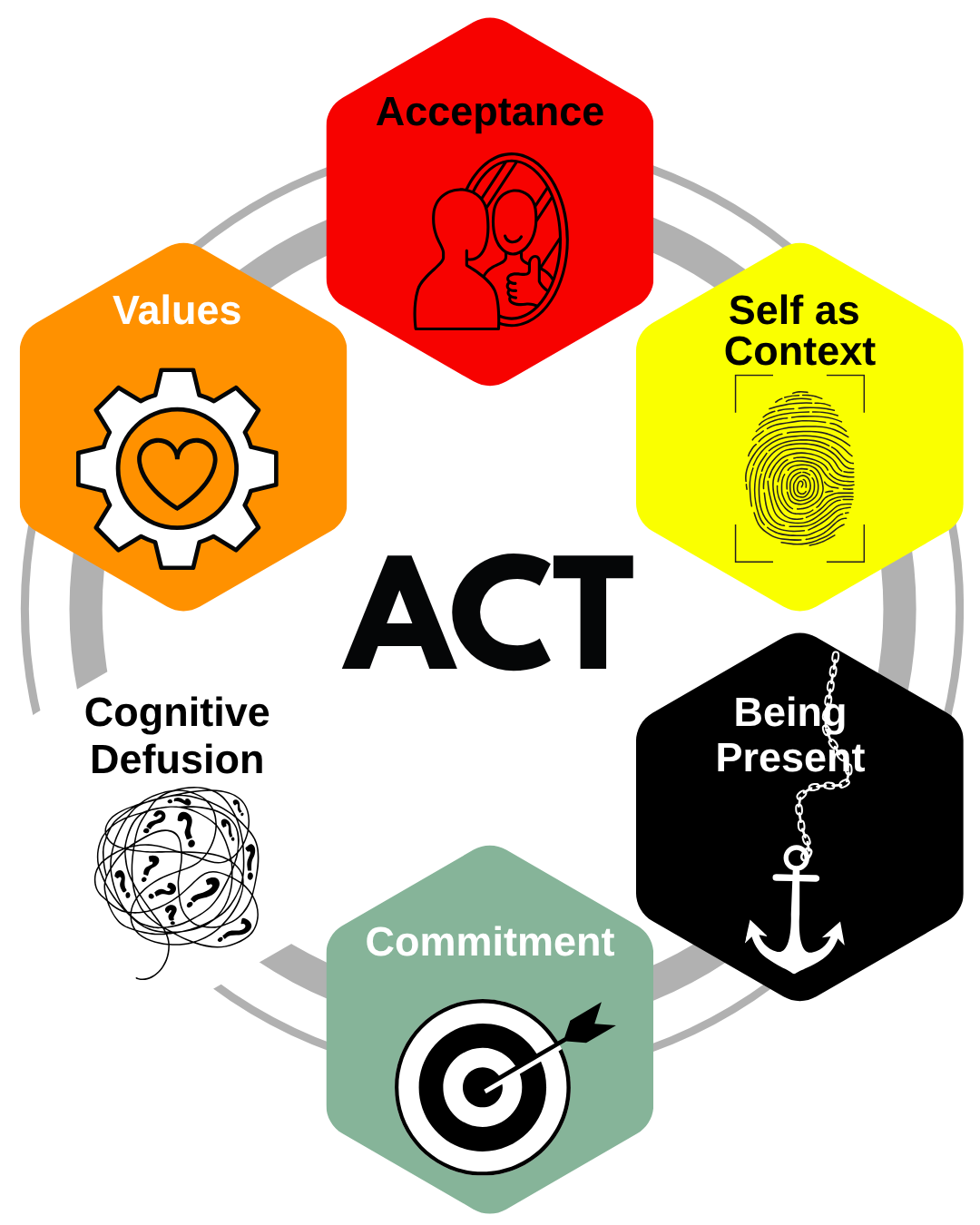

Acceptance and Commitment Therapy (ACT)
Acceptance and Commitment Therapy (ACT) is a practical, mindfulness-based approach that can help people make room for difficult thoughts and emotions while staying connected to what matters most in ways that align with their values. The goal is not to get rid of discomfort, but to help you live a meaningful life alongside it ACT focuses on six core processes: acceptance, cognitive defusion, present-moment awareness, self-as-context, values clarification, and committed action.
It is commonly used to support concerns such as:
anxiety, depression, trauma, stress, grief, chronic pain, and substance use.
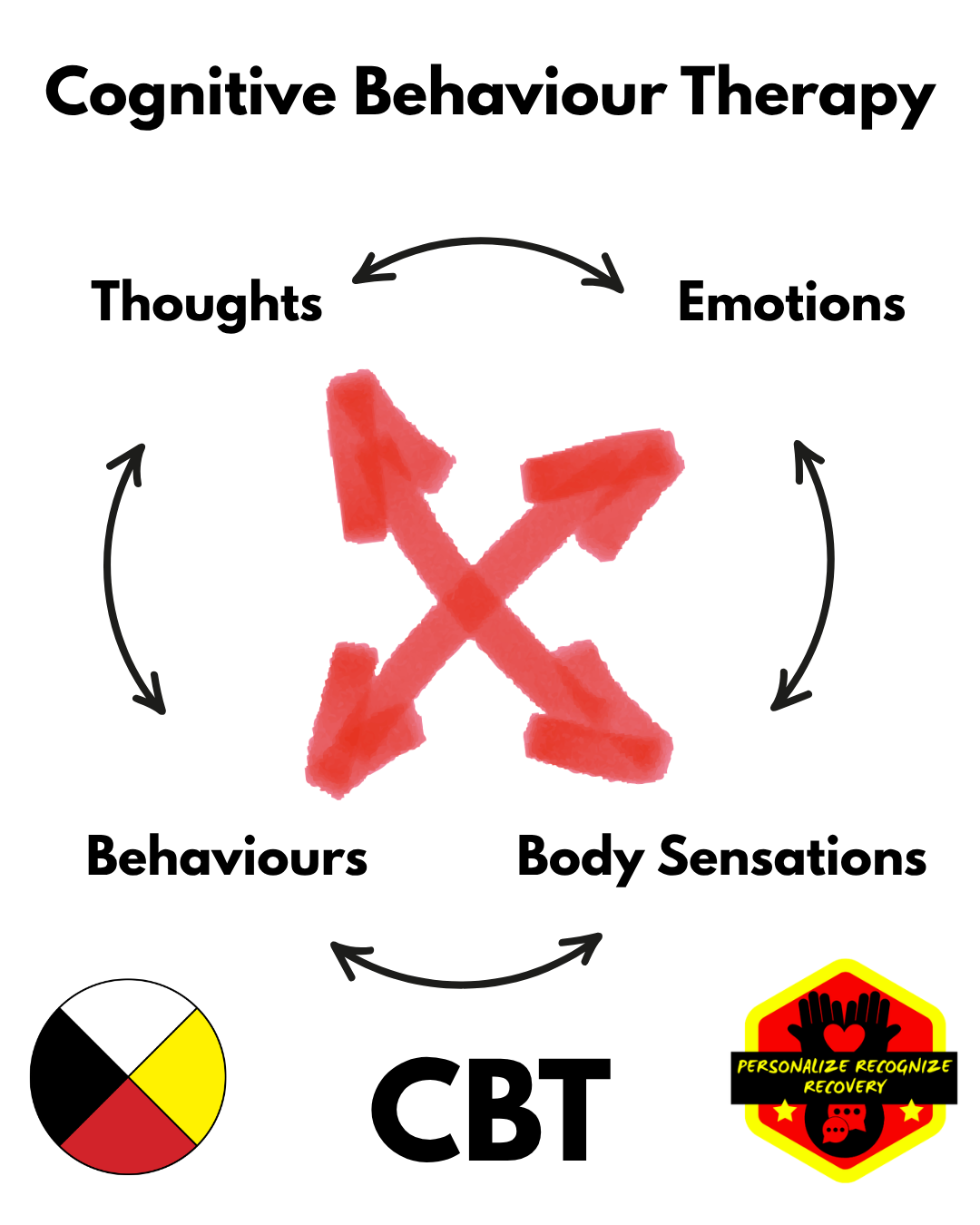
Cognitive Behaviour Therapy (CBT)
Cognitive Behavioural Therapy (CBT) is a structured, evidence-based approach that explores the inter-related connection between thoughts, emotions, behaviours, and body sensations. CBT helps to identify and challenge unhelpful patterns of thinking and behaviour that may be contributing to distress and replaces them with more balanced, healthy, and effective ways of coping with life’s challenges.
It is commonly used to support concerns such as:
anxiety, depression, stress, trauma, OCD, phobias, and other mood-related concerns.
Dialectical Behaviour Therapy (DBT)
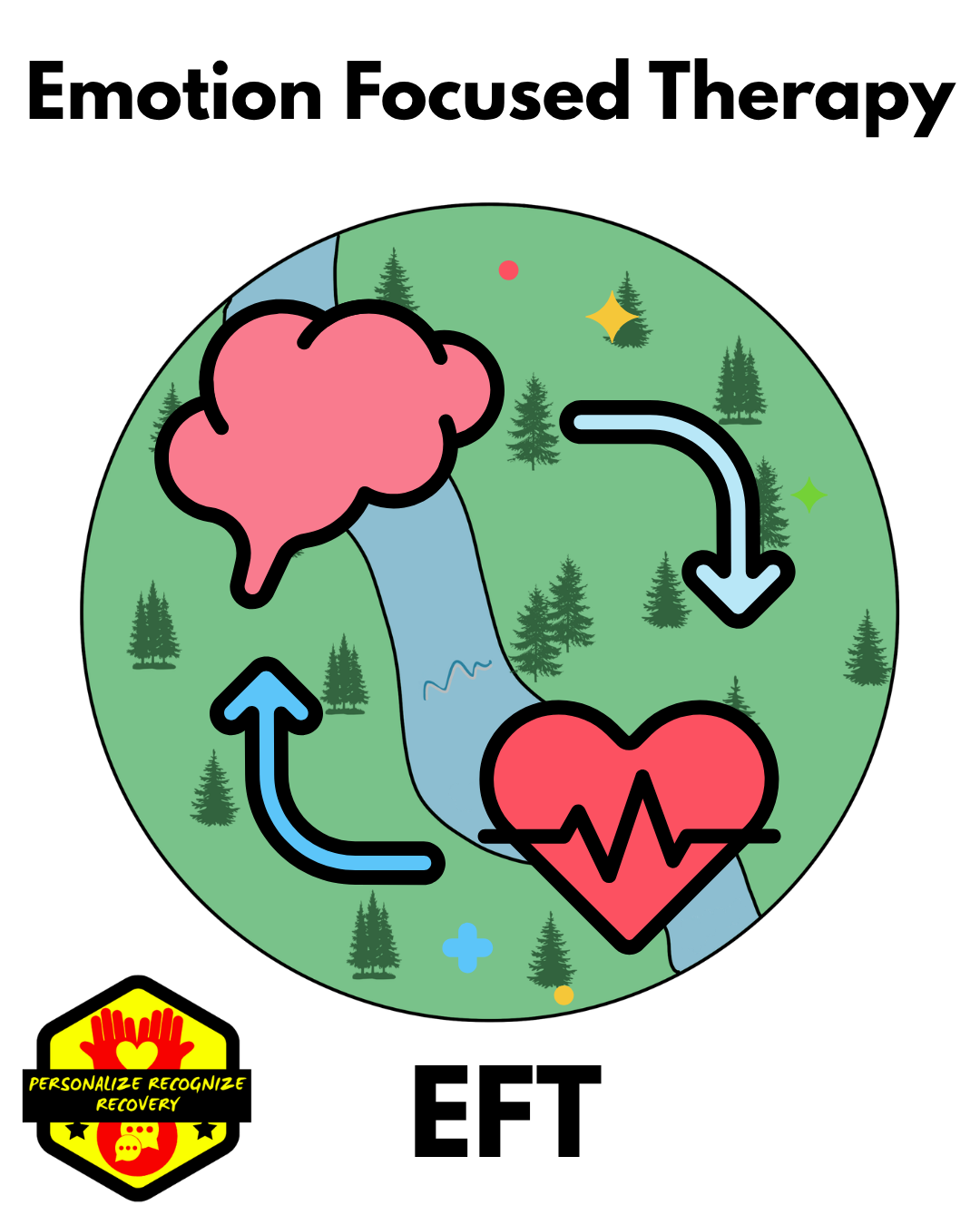
Emotion Focused Therapy (EFT)
Emotionally Focused Therapy (EFT) is a gentle, attachment-based approach that helps people name and understand their emotions and how they show up in relationships. It focuses on noticing emotional patterns, getting clearer on what you need, and creating more safe and supportive ways of connecting with yourself and others. By working with emotions as a source of information and healing, EFT can help foster greater self-awareness, resilience, and emotional well-being. At its core, EFT is about creating safety with emotions—so they can be understood rather than avoided—and using them to better understand needs and patterns in connection with yourself and others.
EFT is often used to support concerns such as:
relationship stress, anxiety, depression, trauma, grief, and difficulties feeling emotionally connected or understood.

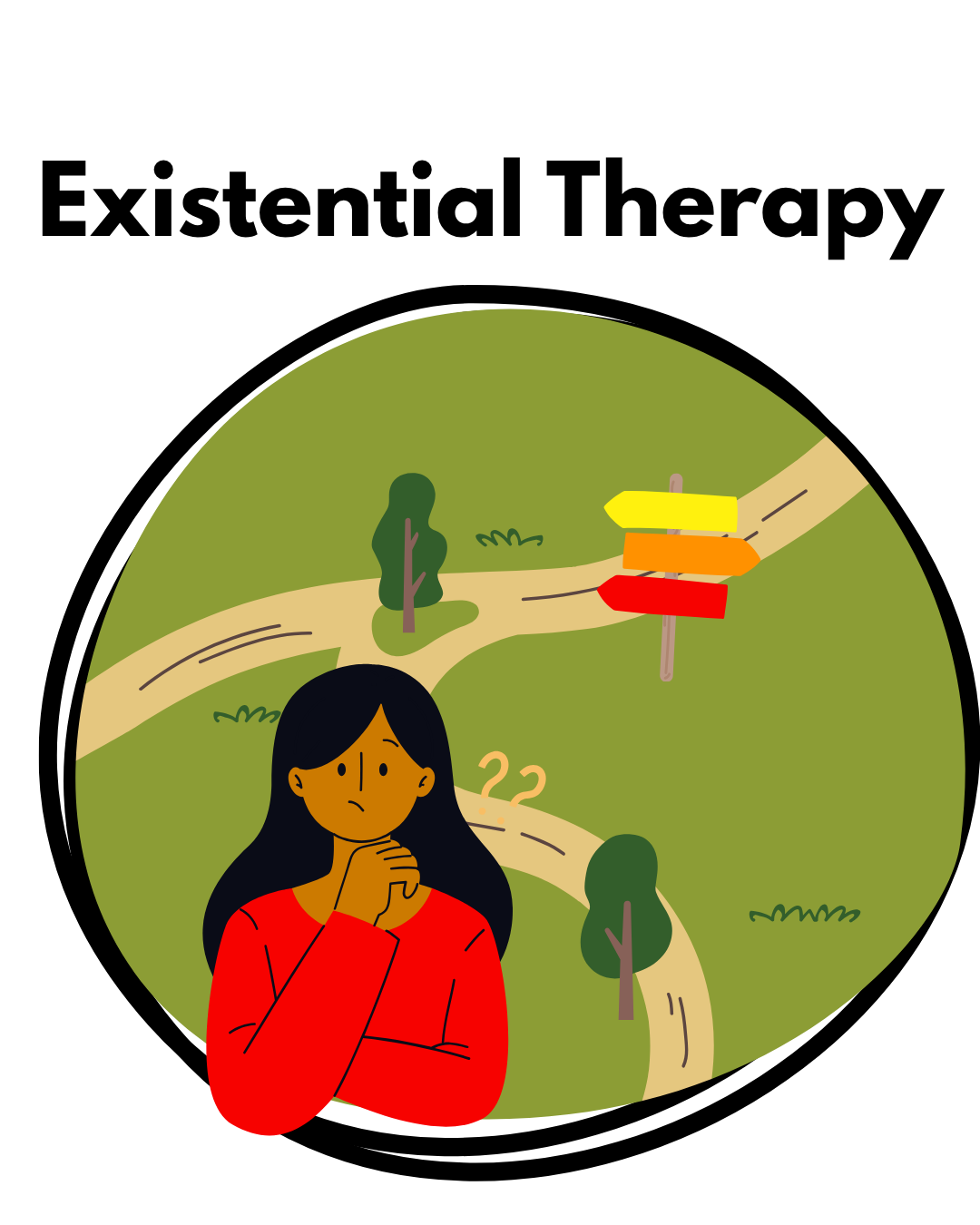
Existential Therapy
Existential Therapy is a reflective, meaning-centred approach that explores how you experience life, identity, relationships, and change. Rather than offering fixed answers, it aims to support clients in making sense of their experience and clarifying what feels meaningful and authentic. It can feel more like a deep conversation about how you are living your life, rather than a skills-based intervention. At its core, it focuses on the human realities of uncertainty, choice, freedom, responsibility, and finding meaning in the face of life’s challenges.
Existential therapy is often used to support concerns such as:
anxiety, depression, grief, life transitions, identity concerns, and feelings of emptiness or disconnection.
Dialectical Behaviour Therapy (DBT) is a skills-based approach that helps people navigate intense emotions and life's challenges more effectively. DBT focuses on four core skill areas: mindfulness, emotion regulation, distress tolerance, and interpersonal effectiveness. These skills can help individuals stay grounded during difficult moments, improve relationships, and respond to stress in healthier ways. At its core, DBT recognizes that people can accept themselves as they are while also working toward meaningful change.
DBT is commonly used to support concerns such as:
anxiety, depression, eating disorders, self-harm, suicidal thoughts, borderline personality disorder, trauma, and substance use.
Solution Focused Brief Therapy (SFBT)
Solution-Focused Brief Therapy (SFBT) is a short-term, goal-focused approach that centres on what’s already going well and what you want to be different. The focus is less on analysing problems and more on creating momentum toward preferred ways of living. SFBT tends to be future-focused rather than the past-focused approach other modalities use. At its core, SFBT can helps build strengths, notice times when things are even a little better, and take small, practical steps toward change.
SFBT is often used to support concerns such as:
stress, anxiety, depression, life transitions, relationship challenges, and issues with confidence or motivation.
Narrative Therapy
Narrative Therapy is a collaborative, story-based approach that helps you explore how you understand your life and experiences. The underlining message is “The person is not the problem; the problem is the problem.” Narrative therapy can help explore how these stories developed and make space for new ways of understanding yourself that feel more empowering and aligned with who you are. At its core, it focuses on the idea that you are not your problems, and that the stories we hold about ourselves can be looked at, questioned, and re-authored.
Narrative therapy is often used to support concerns such as:
anxiety, depression, trauma, grief, identity concerns, and life transitions.

2025
New York
The Atlast Project →
“Communication was top-notch and the final outcome was even better than we imagined. A great experience all around.”
Former CustomerGet In Touch
If you're interested in working with us, complete the form with a few details about your project. We'll review your message and get back to you within 48 hours.